


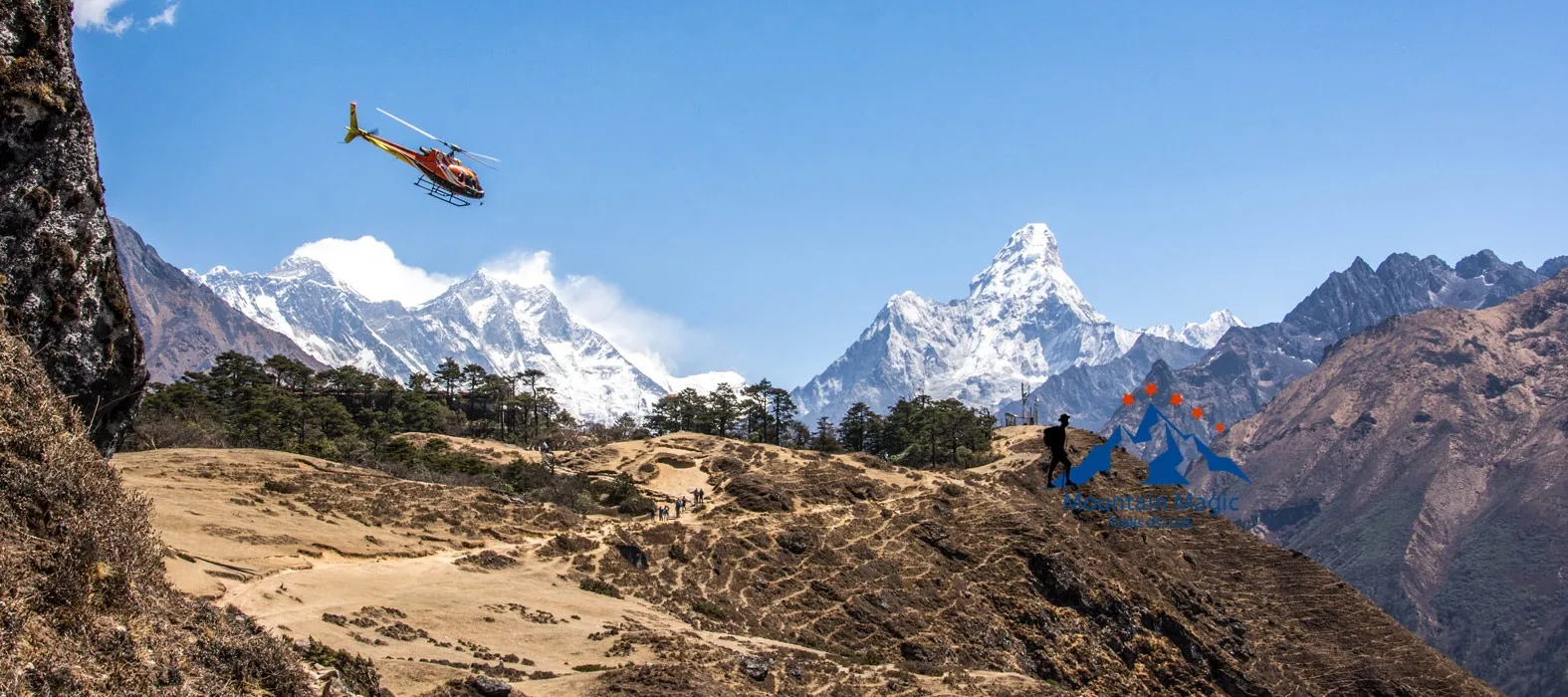
The higher sections of the Everest region have a different trail surface from the paths around Lukla and Namche Bazaar. As the route climbs beyond Dingboche, forests become less common, vegetation becomes thinner, and rocky ground takes over much of the landscape. Some sections contain loose stones, gravel, and uneven surfaces that require careful foot placement.
During the Everest Base Camp Trek with Helicopter Return, these conditions become especially noticeable on the route toward Lobuche and Gorakshep. Understanding how to walk across unstable ground can help trekkers maintain better control, avoid unnecessary falls, and protect themselves during the most demanding parts of the journey.
Why the Ground Becomes More Unstable at Higher Elevations
The upper Khumbu region has been shaped by glaciers, flowing water, freezing temperatures, and repeated movement of rock. These natural processes create a landscape with exposed stones, gravel, and uneven slopes.
Unlike a paved walking path, a mountain trail may change after snowfall, rainfall, or strong winds. Stones can move underfoot, and familiar sections may look different from one day to the next.
The Effect of Glacial Activity
Glaciers carry rocks and other material as they move. When ice melts or retreats, this material can remain behind as piles of stones and loose debris.
The areas around the Khumbu Glacier contain examples of this type of landscape. Trekkers approaching Gorakshep and Everest Base Camp pass through terrain influenced by glacial activity.
Why Loose Stones Are Difficult to Walk On
Loose stones do not always provide a firm surface. A foot placed on a small rock may cause it to roll, slide, or shift sideways.
This can make even a short stretch tiring because the body must constantly adjust to changes in balance. Walking too quickly increases the chance of losing control.
Where Trekkers May Encounter Rocky Ground
Several sections of the route have exposed terrain, but conditions vary with the season and recent weather. The trail is not equally rough every day.
Dingboche to Lobuche
After leaving Dingboche, the route gradually gains elevation toward Dughla and the Thukla Pass memorial area. The landscape becomes more open, with fewer trees and more exposed rocky sections.
Some parts have uneven stones and gravel. Trekkers should avoid rushing, particularly when the path becomes narrow or the ground slopes away from the trail.
Lobuche to Gorakshep
The route from Lobuche toward Gorakshep crosses a high-altitude environment with rocky surfaces and sections influenced by glacial deposits.
The ground may feel harder to walk on because there are fewer soft, natural surfaces. Careful steps are important, especially when fatigue makes it harder to notice small changes in the trail.
Gorakshep to Everest Base Camp
The walk from Gorakshep to Everest Base Camp follows a rocky landscape near the Khumbu Glacier. The surface can be uneven, and the route may include loose stones and rough ground.
Conditions can change, so trekkers should follow their guide rather than assuming that a previous visitor’s route description will match the ground on the day of their visit.
Practical Techniques for Walking on Loose Ground
Good walking technique is more useful than speed on unstable terrain. The goal is to keep each step controlled and avoid sudden movements.
Place Your Feet Carefully
Try to place your full foot on a stable section rather than stepping onto the edge of a loose stone. Shorter steps can make it easier to adjust your balance.
Before putting your full weight down, check whether the surface appears firm. Avoid stepping on stones that look loose or are resting on other small rocks.
Keep Your Body Balanced
Maintain a natural upright position and avoid leaning too far forward or backward. Keep your knees slightly relaxed so your legs can respond to uneven ground.
When carrying a daypack, adjust its straps so the load stays close to your back. A poorly fitted bag can shift while walking and affect your balance.
Use Trekking Poles Correctly
Trekking poles can provide extra points of contact on uneven sections. They may help with balance when stepping over stones or moving along a sloping trail.
Use the poles in a controlled way. Do not place them blindly into gaps between rocks, where the tips could become trapped. Your guide can demonstrate a suitable technique for the conditions.
How to Manage Descents Across Rocky Sections
Walking downhill can be harder than expected. Gravity pulls the body forward, and each step places pressure on the legs as they control movement.
Avoid Long, Fast Steps
Large steps can make it difficult to stop if a stone moves beneath your foot. Smaller steps give you more time to check the surface and adjust your position.
Do not jump from one rock to another unless your guide specifically advises it. A small, controlled step is usually safer than a sudden movement.
Give Other Trekkers Enough Space
On narrow trails, avoid walking directly behind another person at an unsafe distance. If someone dislodges a stone, it may roll downhill.
Allow enough room to react. If you hear a warning about falling rocks, follow your guide’s instructions immediately and move to a safe position.
Why Weather Changes Matter
The same trail can behave differently in dry, wet, snowy, or icy conditions. Recent weather is therefore an important factor when assessing the surface.
After Rain or Snow
Rain can make exposed rocks slippery and move small amounts of gravel. Snow may hide uneven ground, making it harder to identify where a foot will land.
Ice can also form in shaded areas and remain after nearby sections have become dry. Walk carefully and follow the route selected by your guide.
During Strong Winds
Wind can affect balance, especially on exposed sections of the upper route. A sudden gust may be more difficult to manage when standing on loose ground.
Keep your hands free when possible, secure loose clothing, and avoid stopping in exposed or narrow places. Your guide may adjust the walking route or timing if conditions become unsafe.
How the Trekking Team Helps Manage Trail Risks
A knowledgeable guide can identify difficult sections, suggest safer places to step, and help the group maintain suitable spacing. This support is particularly useful when the trail becomes less defined or weather conditions change.
The Everest Base Camp Trek with Helicopter Return includes guide support as part of the trekking arrangement. Trekkers should communicate if they feel unstable, become unusually tired, or are uncomfortable with a particular section.
Porters also play an important role in carrying group luggage, but travelers should not assume that their guide or porter can prevent every accident. Each person must pay attention to the trail and follow safety instructions.
Final Thoughts
Loose rocks and uneven ground are natural parts of the upper Khumbu landscape. They do not make the route impossible, but they require patience, controlled steps, and attention to changing conditions.
The Everest Base Camp Trek with Helicopter Return passes through several high-altitude sections where rocky surfaces become more common. Walking at a steady pace, using trekking poles correctly, keeping a safe distance from other hikers, and following your guide’s advice can help reduce avoidable risks.
The most important rule is simple: do not let the desire to reach the next destination make you careless with your footing.
Frequently Asked Questions
1. Is the trail above Dingboche rocky?
Yes. Sections between Dingboche, Lobuche, and Gorakshep have exposed rocky ground, gravel, and uneven surfaces. Conditions vary with weather and trail maintenance.
2. Are trekking poles useful on loose stones?
They can help improve balance and provide additional support. However, they must be placed carefully so their tips do not become trapped between rocks.
3. Is the path to Everest Base Camp paved?
No. The route is a mountain trail with natural surfaces, including rocks, gravel, and glacial debris.
4. Can rain make the upper trail dangerous?
Rain can make stones slippery and loosen gravel. Snow and ice may also hide uneven ground, so trekkers should follow their guide’s instructions.
5. Should trekkers walk close together on rocky slopes?
No. Keeping a safe distance gives each person more room to react if a stone moves or someone loses balance. Follow the guide’s spacing instructions on narrow sections.